
Knee pain can make even simple activities feel challenging. Whether you experience discomfort when walking, running, climbing stairs, squatting, or participating in your favorite sport, knee pain can interfere with your ability to stay active.
But have you ever wondered why your knee hurts in the first place? Understanding the possible causes of knee pain is an important step toward finding the right approach to recovery. From tendon irritation and injuries to muscle weakness and repetitive movements, several factors can contribute to knee discomfort.
In this article, we'll explore seven common causes of knee pain, how they can affect your movement, and why identifying contributing factors matters when working toward long-term recovery.
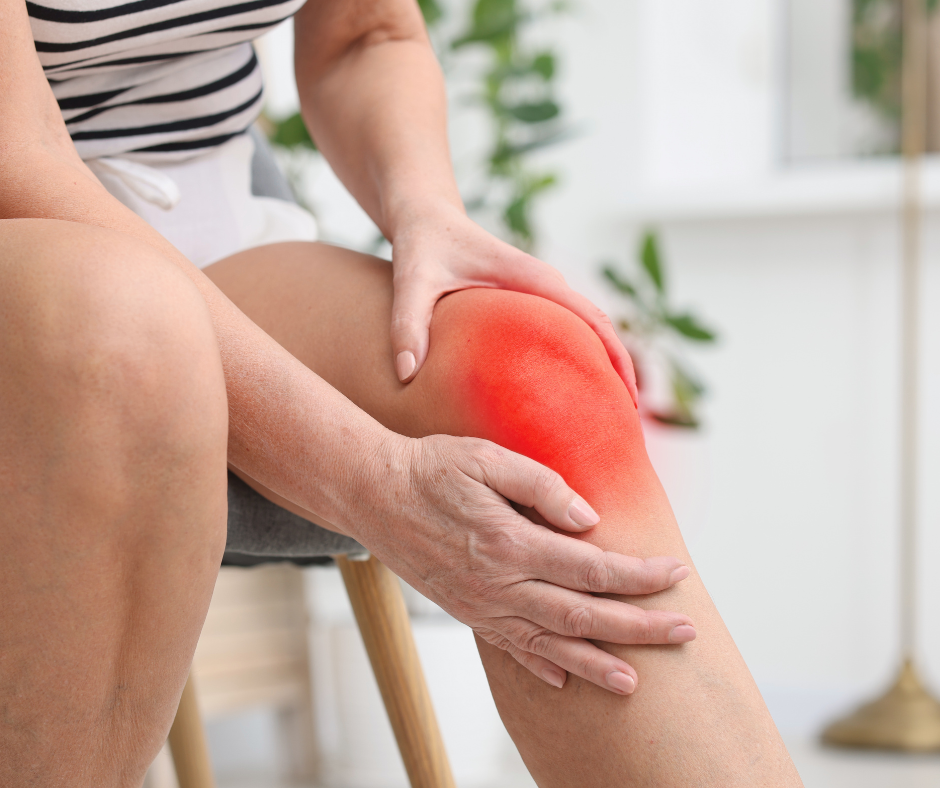
Understanding Why Knee Pain Happens
The knee is a complex joint that relies on muscles, tendons, ligaments, cartilage, and surrounding structures to support movement and stability. It plays an essential role in walking, running, jumping, lifting, and changing directions.
Because the knee handles significant physical demands, it can become irritated or injured when exposed to excessive stress, sudden changes in activity, or inadequate recovery. However, pain does not always mean there is damage to one specific structure. Understanding your symptoms and movement patterns can help determine what may be contributing to the problem.
7 Common Causes of Knee Pain
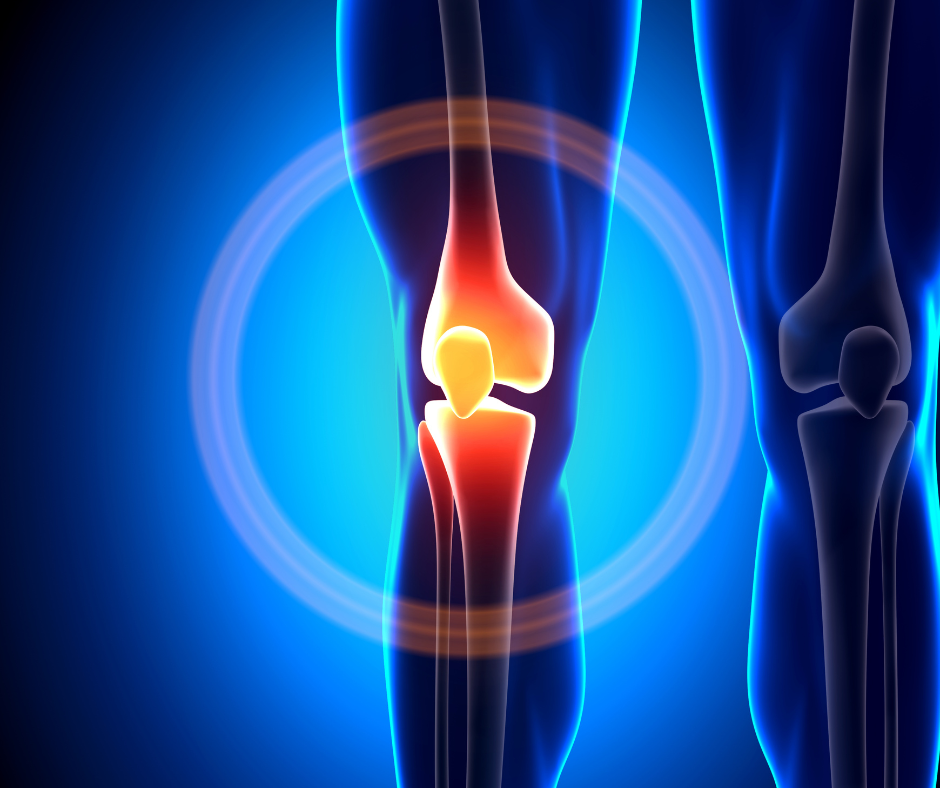
1. Patellar Tendinitis (Jumper's Knee)
Patellar tendinitis involves irritation of the tendon connecting the kneecap to the shinbone. It commonly affects people who participate in jumping, running, and sports requiring explosive movements. Symptoms often include pain below the kneecap, particularly during jumping, landing, squatting, or climbing stairs. Managing training loads and gradually rebuilding tendon capacity can support recovery.
2. Meniscus Injuries
The meniscus is cartilage that helps distribute forces and provide cushioning within the knee joint. Meniscus injuries may happen during twisting movements, sudden changes in direction, or as a result of age-related changes. Symptoms can include pain, swelling, stiffness, catching, or difficulty fully bending or straightening the knee.
3. Ligament Injuries
Ligaments help stabilize the knee and control excessive joint movement. Injuries involving the ACL, PCL, MCL, or LCL may occur during sports, sudden stops, awkward landings, or direct impact. Depending on the injury, symptoms may include swelling, pain, instability, and difficulty putting weight on the affected leg.
4. Muscle Weakness and Strength Imbalances
The muscles surrounding the knee, including the quadriceps, hamstrings, and glutes, contribute to lower-body strength and movement control. When strength or coordination is limited, certain activities may become more challenging. Addressing strength deficits through an individualized exercise program can help improve movement capacity and support knee function.
5. Joint Irritation and Inflammation
Irritation within the knee joint can cause discomfort, swelling, and stiffness. Conditions such as osteoarthritis may contribute to these symptoms, particularly during prolonged activity or after periods of inactivity. Understanding the underlying condition and maintaining appropriate movement can help guide symptom management.
6. Overuse and Repetitive Movements
Repeatedly performing activities such as running, jumping, squatting, or cycling can place stress on knee structures. Problems may develop when training volume increases too quickly or recovery is insufficient. Gradually adjusting activity levels and allowing adequate recovery can help improve the knee's tolerance to physical demands.
7. Limited Mobility and Movement Restrictions
Limited mobility in the ankle, hip, or knee may influence how your body moves during everyday activities and exercise. Restrictions can change movement patterns and affect how forces are distributed throughout the lower body. A comprehensive movement assessment can help identify limitations that may be contributing to knee discomfort.
Why Identifying the Root Cause of Knee Pain Matters
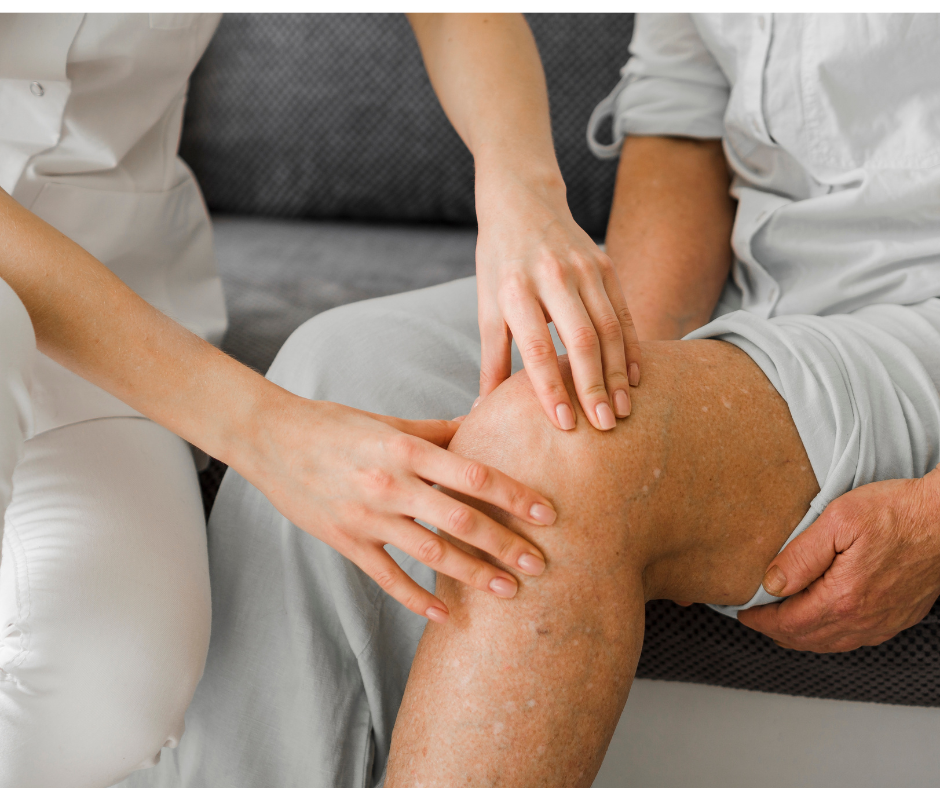
Where you feel pain is not always the only area that needs attention. Knee discomfort may involve several contributing factors, including strength limitations, mobility restrictions, training demands, and movement control.
Simply resting or treating the painful area may provide temporary relief without addressing everything contributing to your symptoms. Understanding how your body moves and responds to physical activity can help guide a more appropriate recovery strategy.
At Synergy Sports Clinic, the goal is to look beyond the painful area, understand your movement, and develop an individualized plan based on your needs and activity goals.
How Can You Manage Knee Pain?
Managing knee pain starts with identifying your current limitations and gradually improving your ability to handle physical demands. Depending on your condition, conservative treatment may include progressive strengthening, mobility exercises, movement retraining, and appropriate activity modifications.
Your recovery plan should reflect your symptoms, physical capabilities, and personal goals. Returning to exercise too quickly or ignoring persistent symptoms may make recovery more challenging. A guided approach can help you rebuild strength, improve movement, and regain confidence in your activities.
Frequently Asked Questions About Knee Pain
What is the most common cause of knee pain?
Knee pain has many possible causes, including tendon irritation, meniscus injuries, osteoarthritis, ligament injuries, and overuse. The cause depends on your symptoms, activity level, and individual circumstances.
Why does my knee hurt when I walk or squat?
Pain during walking or squatting may be associated with joint irritation, patellar tendon problems, strength limitations, or movement restrictions. An assessment can help identify potential contributing factors.
Can knee pain go away without surgery?
Many knee conditions can improve through conservative management, including appropriate exercise, progressive strengthening, and activity modifications. However, treatment depends on the specific injury or condition.
Should I continue exercising with knee pain?
You may not need to stop all physical activity, but exercises that significantly aggravate your symptoms may need modification. A healthcare professional can help determine appropriate activities and loading strategies.
When should I get my knee assessed?
Consider an assessment if pain persists, repeatedly returns, limits daily activities, or affects your ability to exercise. Seek prompt medical attention for significant swelling, knee deformity, inability to bear weight, or a locked knee following an injury.
Take the First Step Toward Knee Pain Recovery
Don't let knee pain keep you from running, lifting, playing sports, or enjoying the activities that make you feel your best.
At Synergy Sports Clinic in Grand Junction, Colorado, we take an individualized approach to understanding your pain, assessing your movement, and identifying potential contributing factors. We work with you to build a plan that supports your recovery, improves strength, and helps you return to the activities you love.
You don't have to keep guessing what's causing your knee pain. Start by understanding the problem.
Book your FREE assessment with Synergy Sports Clinic today!
Visit synergysportsclinic.org and take the first step toward moving better and getting back to doing what you love.
